Signal Intelligence
Competitive intelligence. Narrative analysis. The information edge.

AI Signal Post-Mortems: The Competitive Intelligence Methodology Most Systems Skip
Intelligence practitioners spend enormous effort studying external adversaries. Almost none apply the same systematic apparatus to studying themselves. Alpha Journal is what that looks like when you do.

Hot Reload and the Execution Gap: What Continuous Deployment Means for Live Alpha
Zero-downtime code deployment in live trading systems isn't a DevOps convenience—it's an intelligence infrastructure decision that determines whether a system can act on what it knows.

The Automated Signal Surface: What AI-Generated Visual Intelligence Reveals About Competitive Infrastructure
Building automated share card pipelines isn't a design workflow — it's intelligence infrastructure. The organizations that render data as visual signal at machine speed are operating a different category of competitive advantage.

Thoth: Automated Documentation Intelligence for High-Velocity Engineering Teams
When your engineering org ships 60+ PRs a week across 47 repositories, documentation doesn't drift — it evaporates. Thoth is the system that treats documentation as a competitive intelligence problem: scan, classify, extract, publish. No LLM. No manual effort. Just structured text transformation at scale.
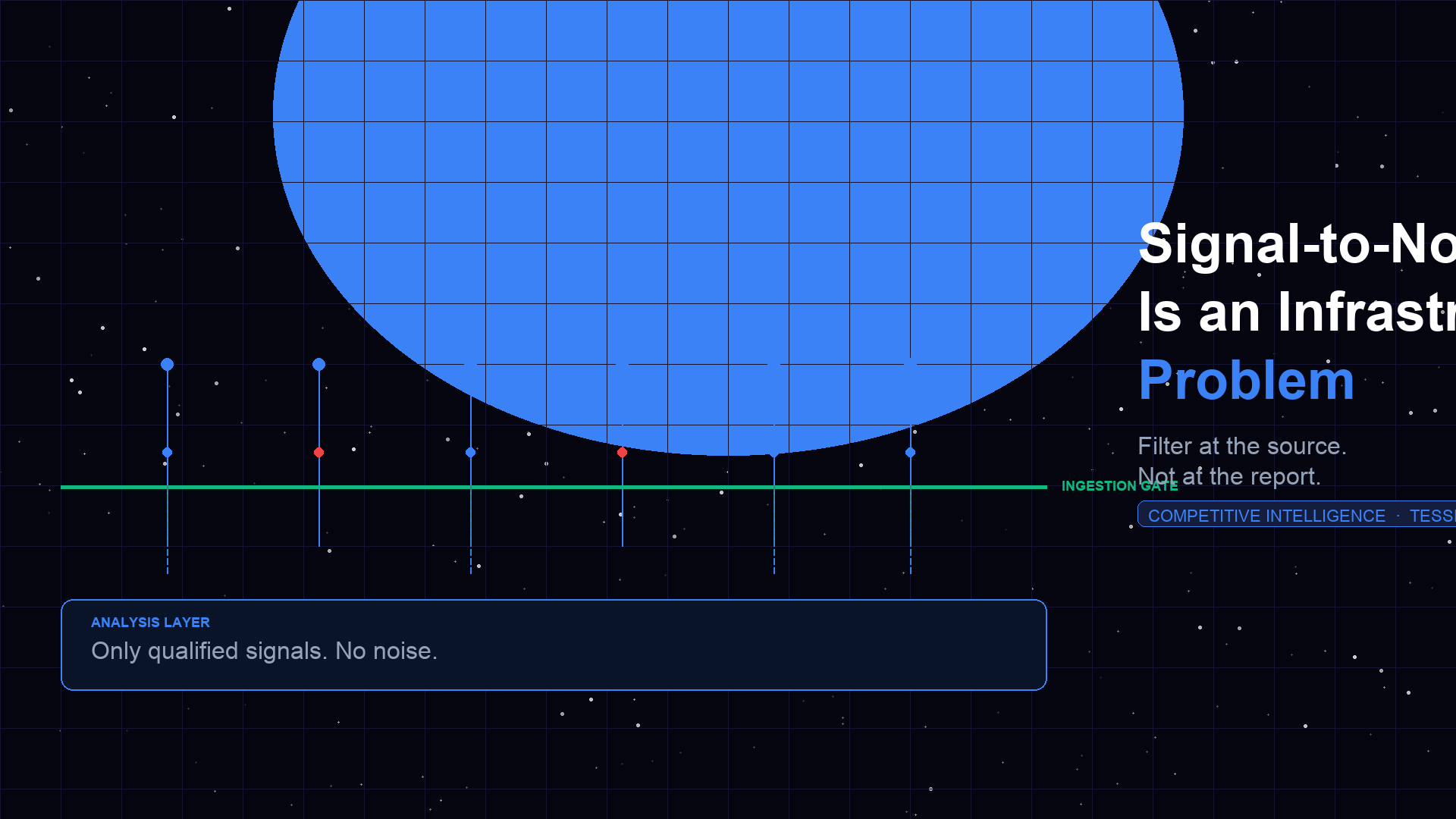
Signal-to-Noise Is an Infrastructure Problem, Not a Filtering Problem
Most intelligence teams filter noise at the report layer — reviewing 50 signals and discarding 40. That's not a workflow. It's a symptom of bad ingestion architecture. The fix happens upstream, not downstream.

Horus and the Architecture of Awareness: Why Blind Infrastructure is a Strategic Liability
A live trading system can run for 7 hours in a hung state — generating signals, consuming resources, appearing healthy — while producing nothing. This is not a technical failure. It is an intelligence failure. Horus is the answer.

The Signal-to-Noise Problem: Why Most Competitive Intelligence Tools Fail
Most CI platforms give you more data. The problem was never a shortage of data. Here's why aggregation without synthesis is just noise at scale — and what the solution architecture looks like.
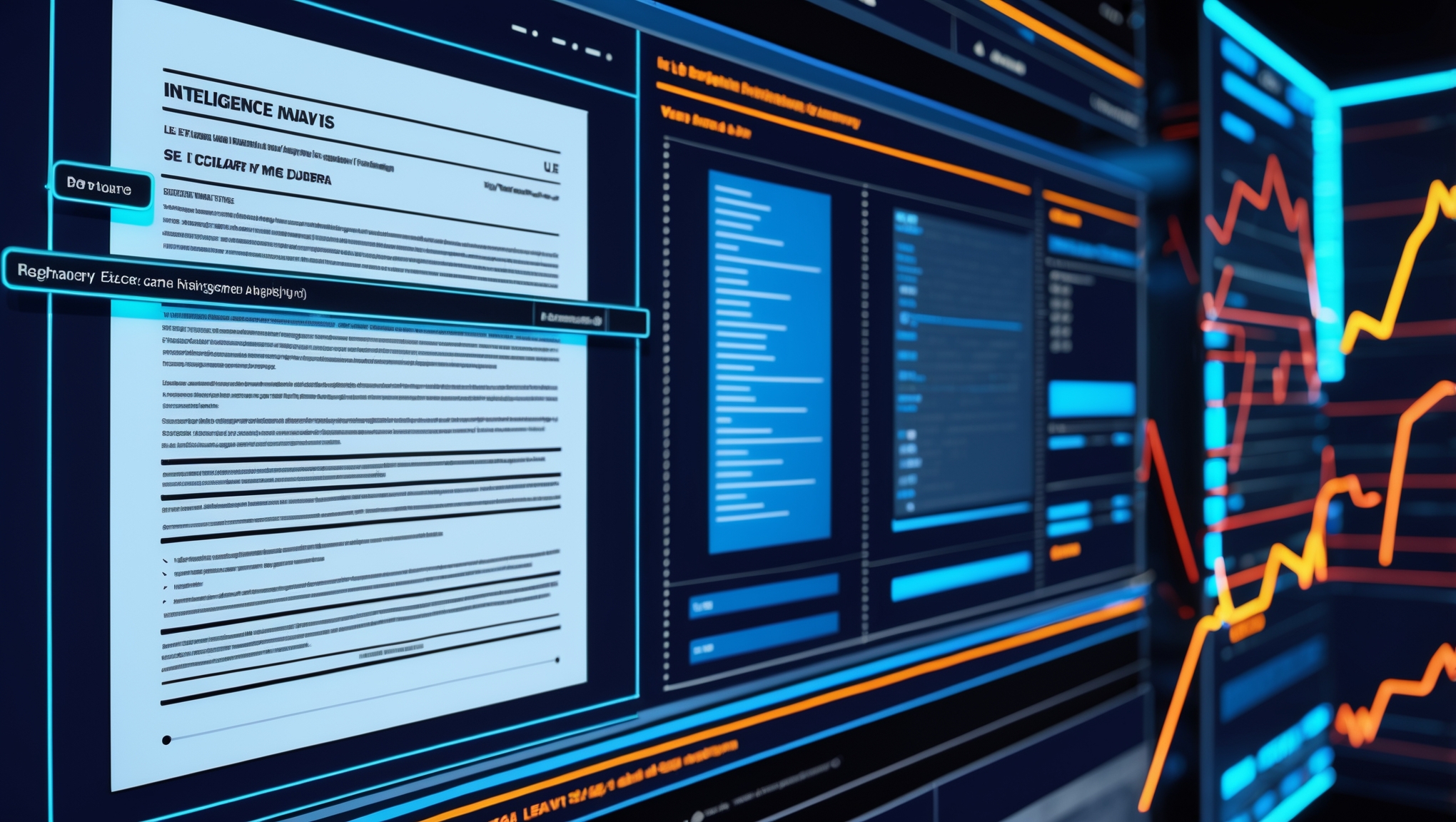
How to Read SEC Filings Like an Intelligence Analyst (Not an Accountant)
Most people who read 10-Ks read them like accountants — looking for the numbers. Intelligence analysts read for the language, the omissions, and the changes between filings. The edge is in the delta, not the data.
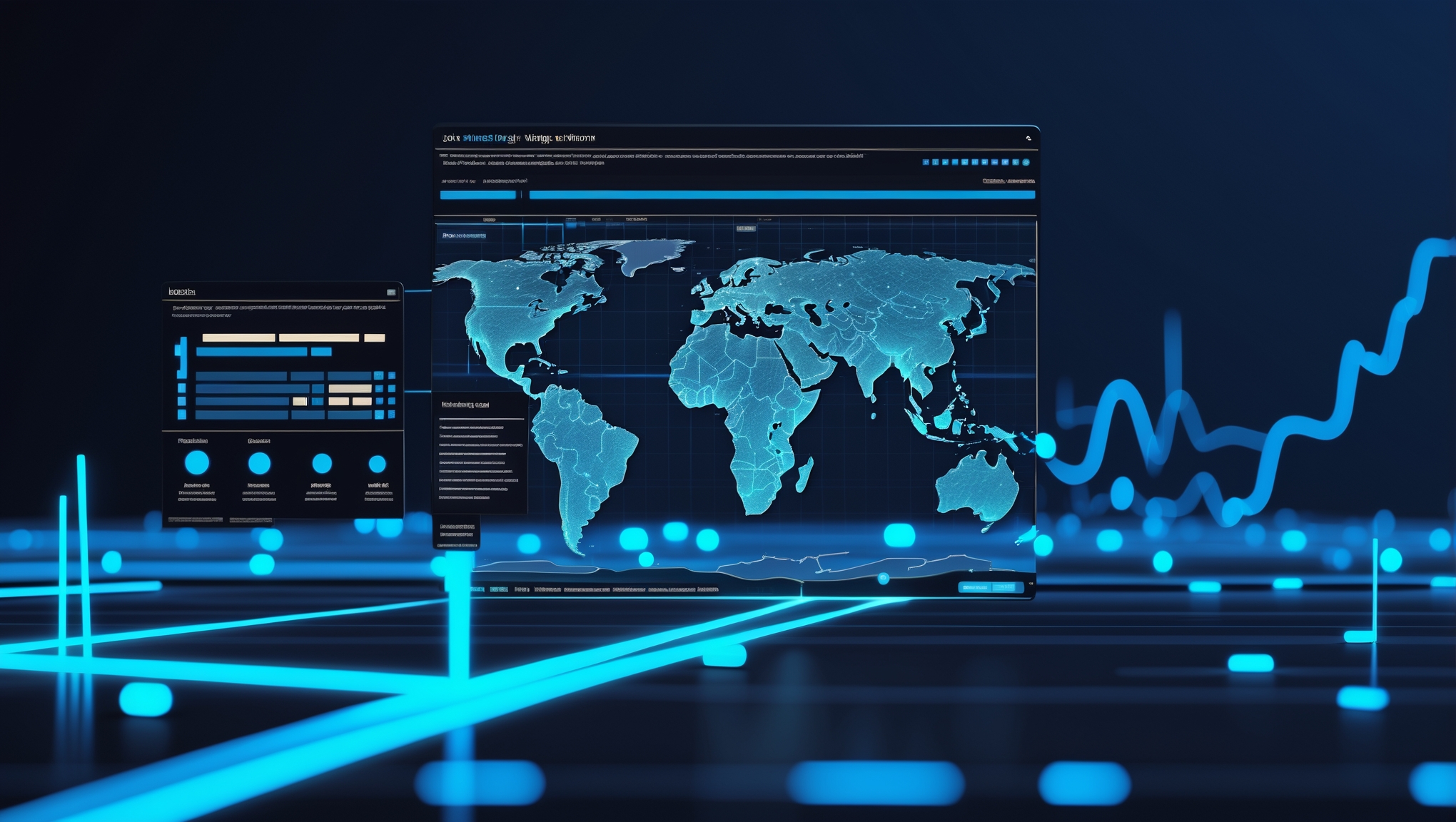
The Job Posting Intelligence Method: What Hiring Tells You Before the Press Release
Companies reveal their strategic roadmap through job postings months before they announce it publicly. Headcount, skill requirements, and location signals are some of the most reliable leading indicators in competitive intelligence.
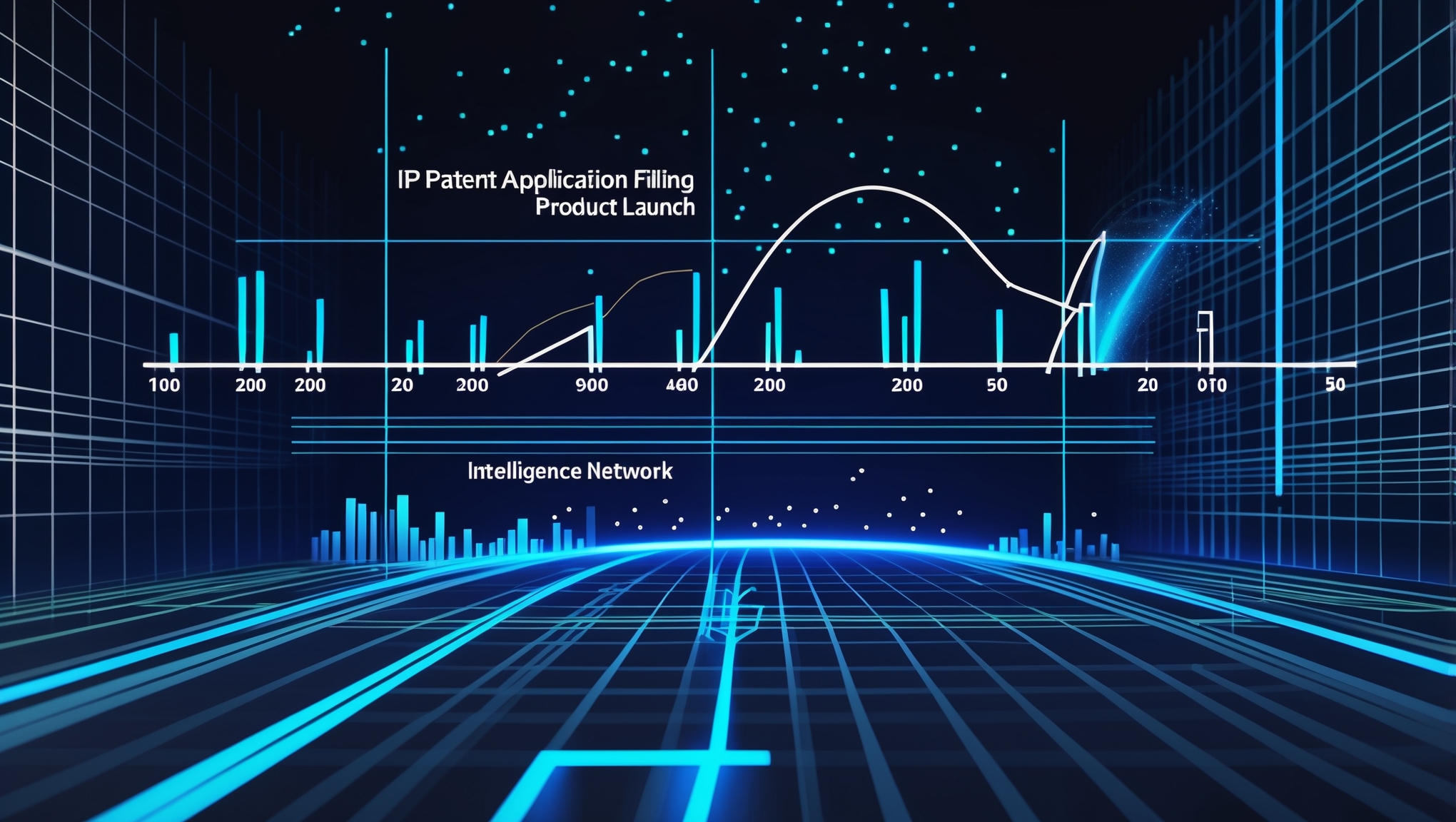
Patent Filings as Competitive Signal: How to Read IP Before the Product Launches
Patent applications are filed 12-24 months before products launch. They're public, searchable, and contain detailed technical specifications. Most competitive analysts never look at them. That's their loss.
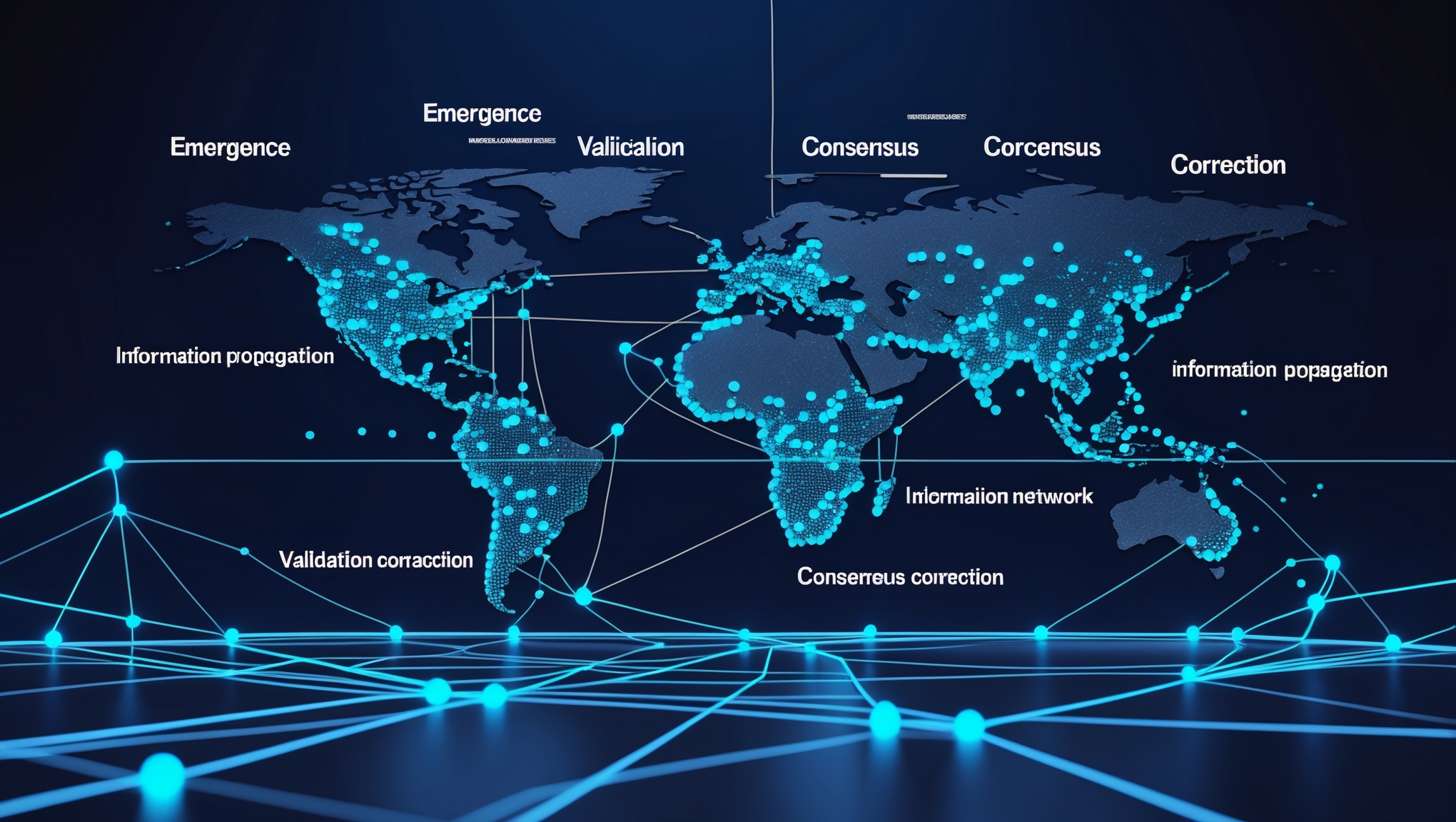
Building a Narrative Map: How Ideas Become Markets (And Who Gets There First)
Every major market shift was preceded by a narrative shift. The companies and investors who track narratives — not just data — see the market coming. Here's how to build a systematic narrative intelligence practice.

Narrative Shifts Move Before Price Does: How to Read the Information Precursors
By the time a narrative is consensus, the opportunity has passed. Tesseract Intelligence is built to detect narrative shifts in the information ecosystem before they become market-moving consensus.
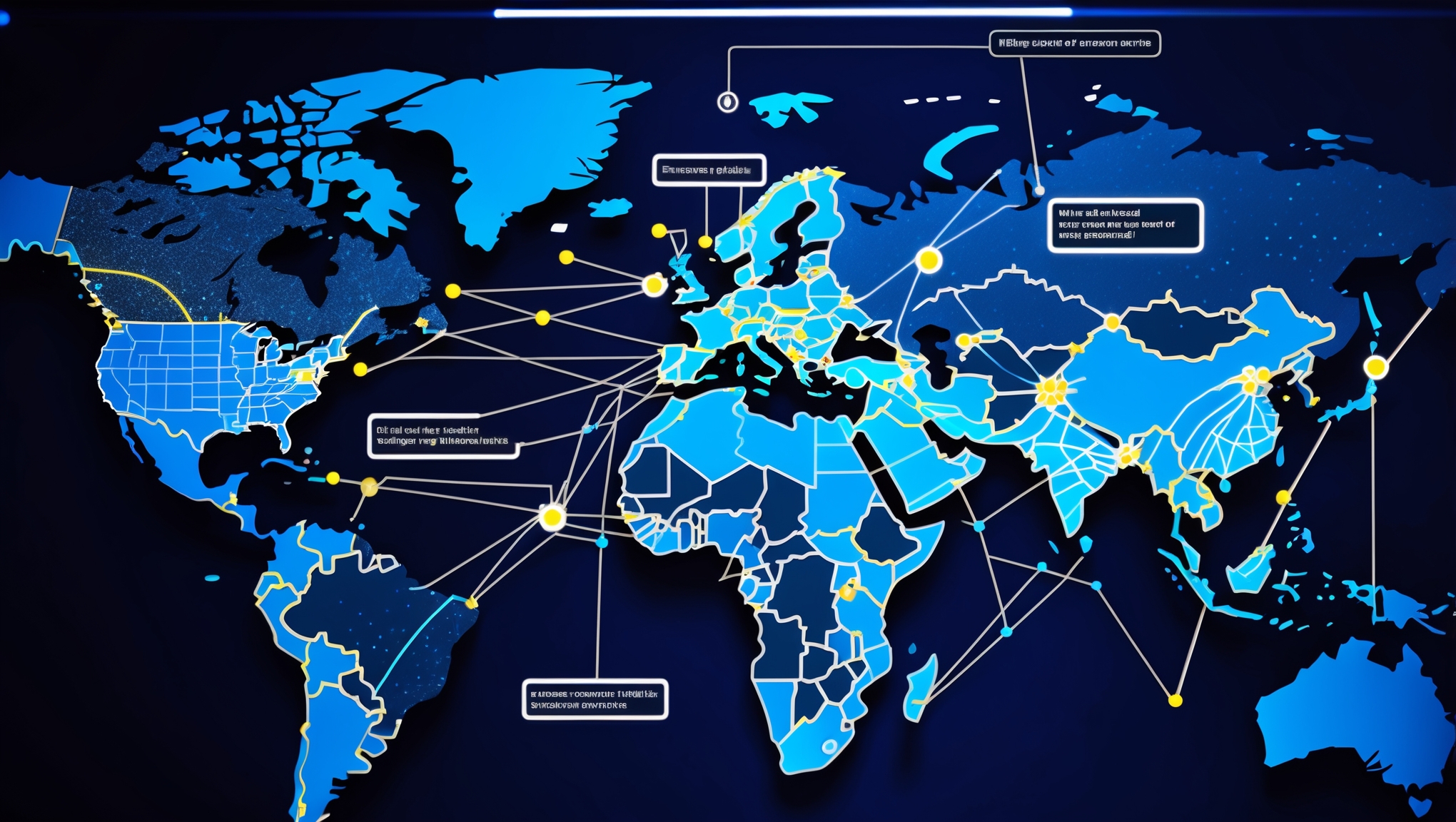
LinkedIn as a Competitive Intelligence Platform (Most People Use It Wrong)
LinkedIn is not a networking tool for intelligence analysts — it's a database of professional intent, organizational change, and strategic signals. Here's the systematic approach that surfaces what most people miss.
How Earnings Calls Are Read by Analysts vs. Everyone Else
Retail investors watch earnings calls for the headline numbers. Professional analysts listen for what management doesn't say, how they say what they say, and what questions they deflect. The transcript is the intelligence.

The Information Velocity Problem: Why Slow Competitive Intelligence Is Dead CI
A competitive intelligence report that takes two weeks to produce is analyzing a world that no longer exists. The half-life of strategic information has collapsed. Here's what intelligence infrastructure looks like at modern velocity.

Competitive Intelligence Is Infrastructure, Not a Quarterly Exercise
Most organizations treat competitive intelligence as a project. The ones winning in information-dense markets treat it as infrastructure — always on, always feeding decision-making. Here's the architectural difference.

Competitive Moats Are Signals, Not Facts — How to Track Moat Erosion in Real Time
A competitive moat is not a static reality — it's a narrative that the market believes until evidence accumulates to challenge it. Tracking moat erosion before the market consensus shifts is the core of asymmetric competitive intelligence.
How to Monitor Competitors Without Them Knowing — The Ethical Intelligence Stack
There is an enormous amount of public competitive intelligence available that companies systematically ignore. You don't need insider information or aggressive tactics — you need a systematic approach to what's already public.
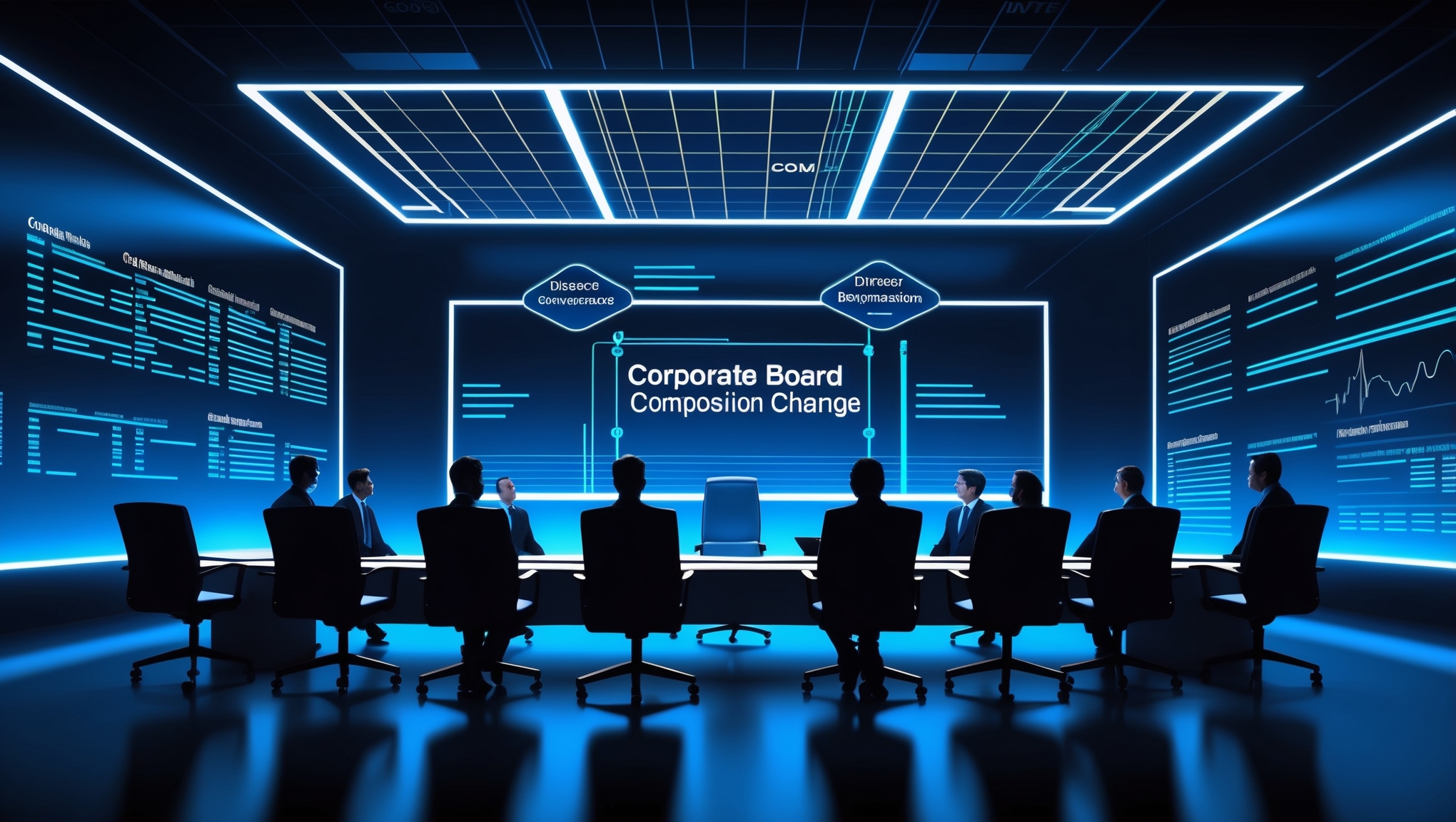
Why Board Changes Are One of the Highest-Signal Events in Competitive Intelligence
Most analysts track executive departures. Fewer track board composition changes — which are often more predictive of strategic direction. Here's how to read board changes as competitive intelligence.
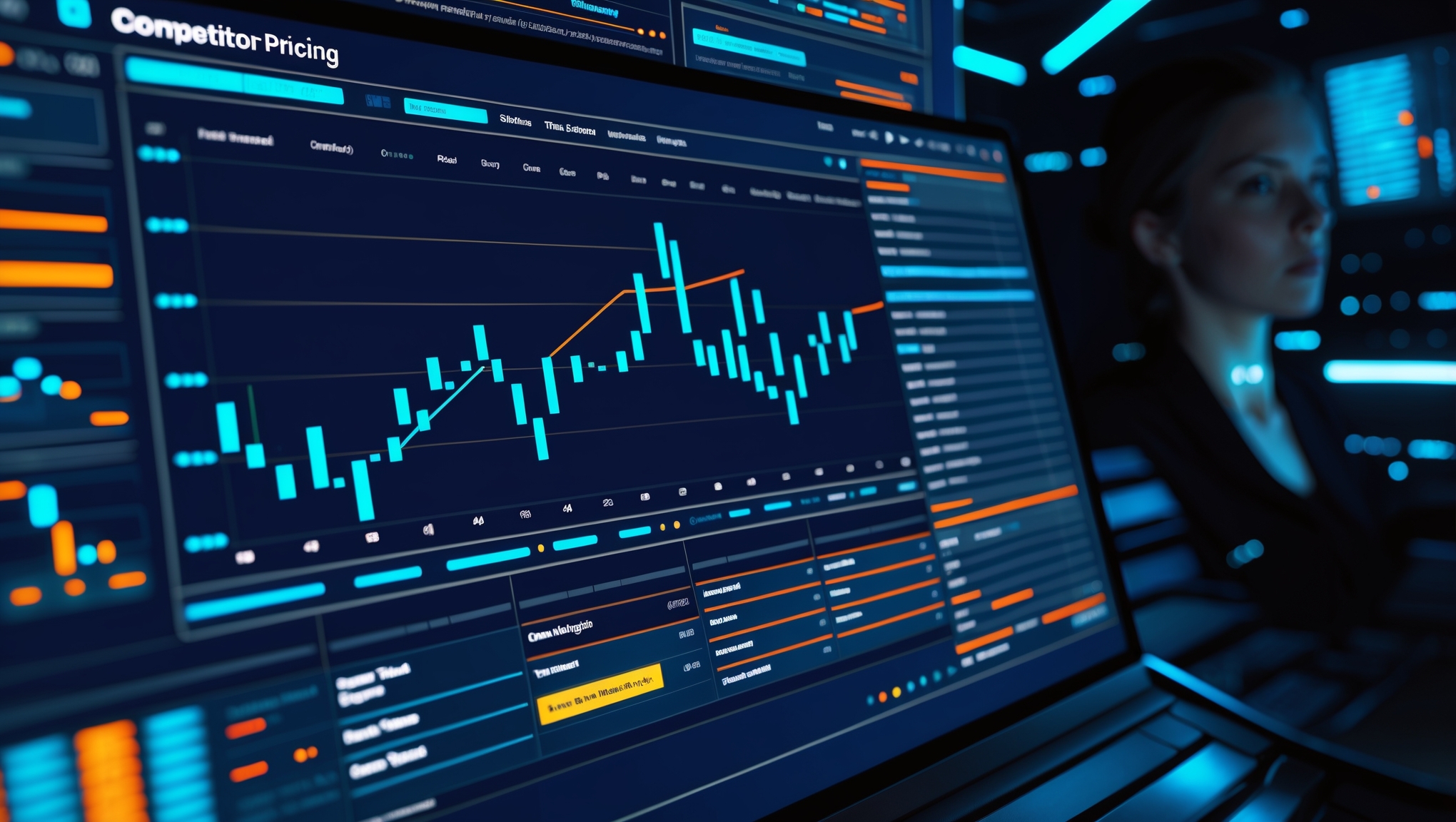
Pricing Page Intelligence: What Changes Tell You About Competitive Position
A competitor's pricing page change is one of the fastest-decaying intelligence signals — it's immediately actionable and has a short half-life. Here's how to systematically monitor and interpret pricing moves.
The Analyst Consensus Trap: Why Consensus Is Latency, Not Intelligence
By the time analyst consensus forms on a company's competitive position, the real situation has usually moved on. The intelligence edge lives in the gap between the current reality and the consensus narrative — and that gap closes fast.

The Supply Chain Signal Method: Reading Competitors Through Their Vendors
Your competitors buy things. They hire vendors. They use services. And their vendors often disclose more about their customers' strategic direction than the companies themselves do. Here's how to build intelligence from the supply chain.

The Counter-Narrative Play: Spotting What Markets Are Systematically Missing
Every dominant market narrative has a blind spot — something important that it systematically underweights or ignores. Finding and positioning around that blind spot is the highest-leverage move in information-dense markets.
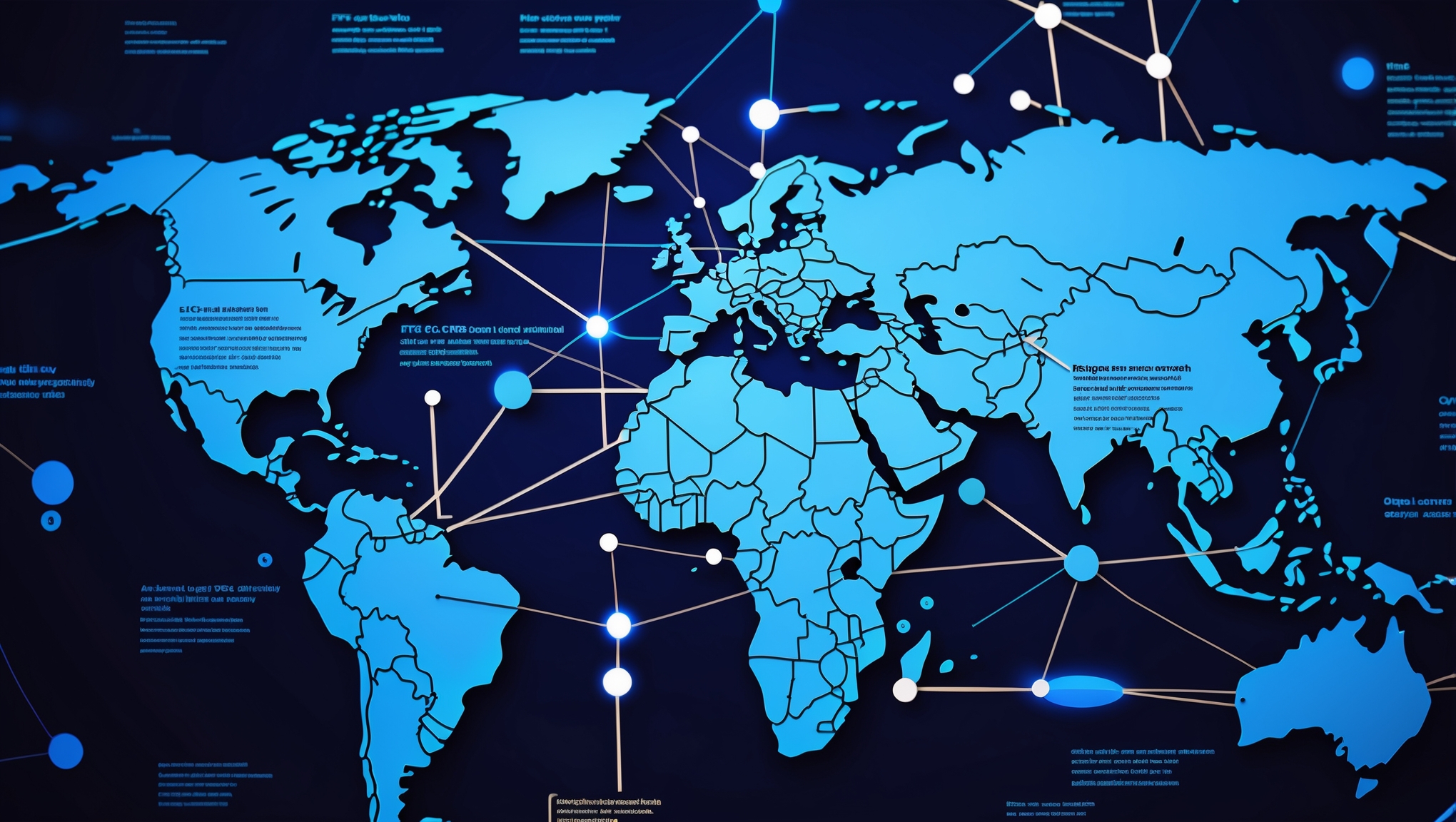
Reading Regulatory Filings for Competitive Intelligence Beyond the SEC
SEC filings are the starting point. The broader regulatory disclosure ecosystem — FTC, FCC, CFPB, international equivalents — contains competitive intelligence that most analysts never look at. Here's the expanded regulatory intelligence landscape.

The Conference Intelligence Playbook: Extracting Signal from Industry Events
Industry conferences are intelligence operations that most attendees treat as networking events. The presentations, the side conversations, the sponsor halls, and the attendee lists are all intelligence sources — if you're approaching them systematically.
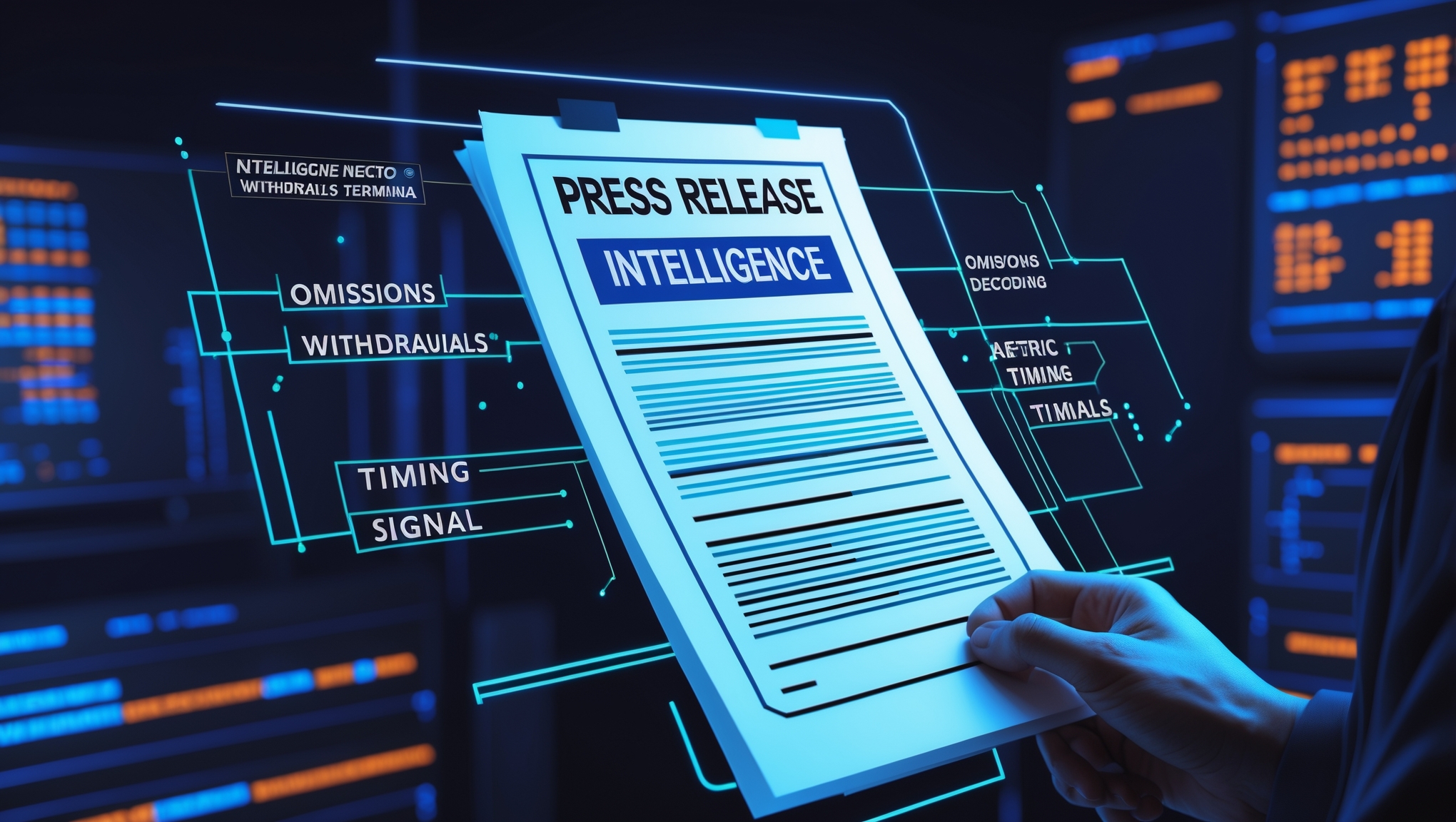
The Press Release Intelligence Decode: Reading What Companies Don't Say
Press releases are corporate communications crafted by PR teams to control the narrative. Reading them for intelligence means reading past the spin to find the signal. Here's the systematic approach.

Oracle Intelligence: Why the Future Is Already Visible to Those Who Read the Signals
The oracle isn't a mystic with foresight — it's an analyst with better information and a systematic approach to interpreting it. Every major market shift was preceded by visible signals. The question is who was reading them.
Dark Data: The Intelligence in What Doesn't Get Published
The most valuable intelligence is often not what's said publicly — it's what's conspicuously absent. Understanding dark data — the signals in silence, omission, and withdrawal — is a critical skill for intelligence analysts.